
Men & Boys at Risk
Men & Boys Experience Exploitation Too.
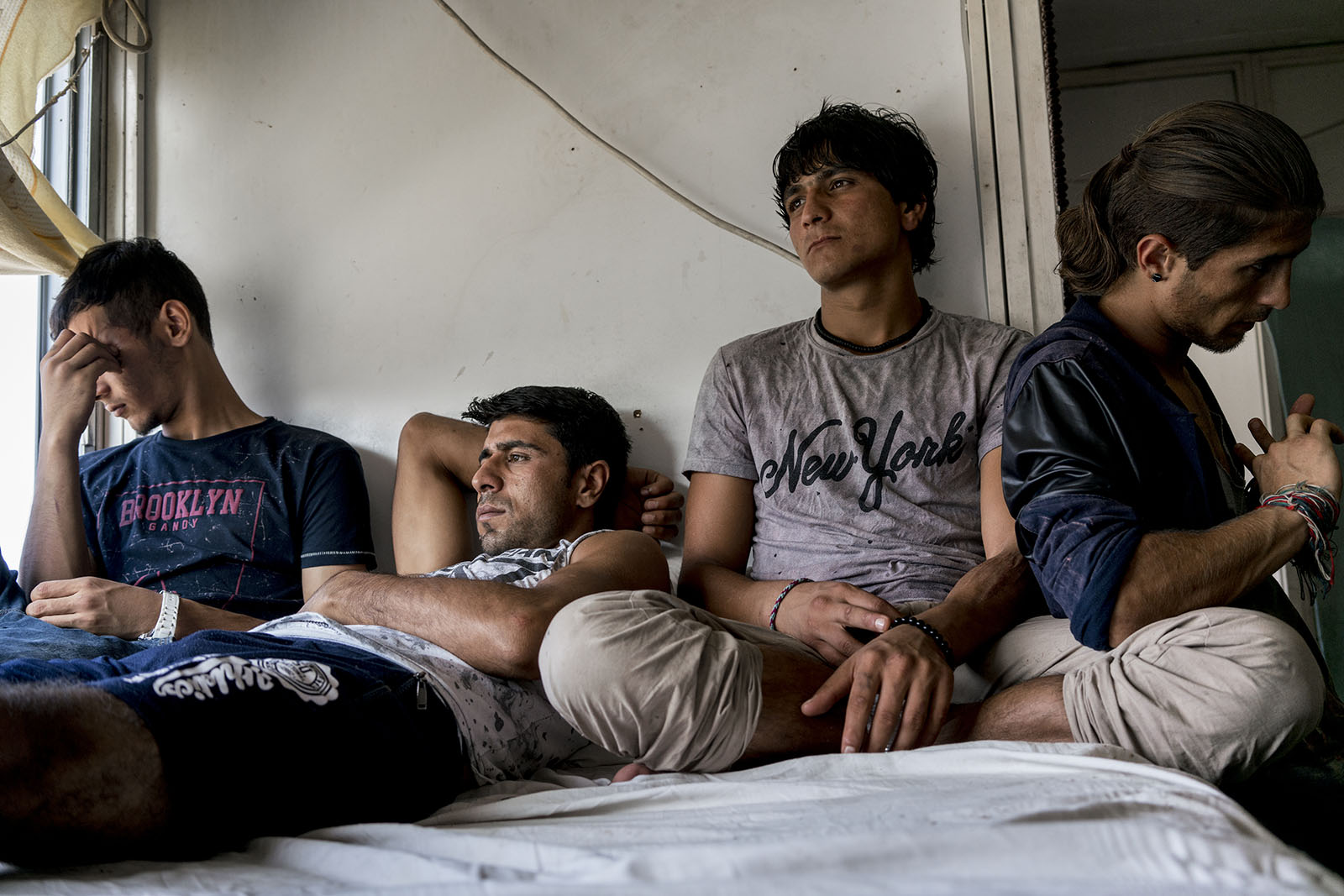
Men and boys experience trafficking and exploitation far more often than the public—or even many professionals—realize. Cultural expectations around masculinity make their experiences harder to name: boys are expected to “tough it out,” minimize harm, and hide vulnerability, which keeps abuse hidden in plain sight. Gay, bi, and questioning youth; migrant laborers; unhoused young men; and boys navigating digital spaces where identity and belonging are fluid often encounter coercive dynamics that are never labeled as exploitation.
Our work brings these realities into the open through male-inclusive, rights-based strategies that validate autonomy while addressing the conditions that create risk.
Why It Matters
Men and boys face exploitation through pathways that are rarely recognized:
Online grooming and digital coercion are major entry points: predators use gaming platforms, social media, and sextortion tactics to control young men.
Labor exploitation is often dismissed as “tough job conditions,” even when it meets federal definitions of trafficking—especially in agriculture, construction, landscaping, and day-labor markets.
LGBTQ+ stigma, secrecy, and shame can push gay and bi boys into situations where coercion is disguised as connection or mentorship.
Survival economies—trading labor, companionship, or sex for shelter, food, rides, or protection—are widely misunderstood and often criminalized instead of supported.
Masculinity norms silence disclosure: boys fear judgment, ridicule, or not being believed, and adult men often don’t even identify what happened as exploitation.
When male victimization goes invisible, prevention and intervention systems fail to reach them.
How We Help
Rethink Trafficking supports providers, schools, community groups, and government agencies in creating real pathways to safety and support for men and boys by:
Training professionals to recognize male victimization and understand how grooming and coercion present differently for boys and young men.
Developing safe, confidential disclosure options that respect privacy, identity, and masculine social pressures.
Integrating LGBTQ+-affirming approaches that reduce stigma and create belonging—critical for boys targeted due to isolation or identity struggles.
Addressing labor exploitation directly, supporting worker-protection models that recognize coercion without moralizing economic survival.
Partnering with housing and harm-reduction programs so young men in survival economies can stabilize without criminalization.
Building continuity-of-care systems that connect mental health, shelter, case management, and legal help, recognizing that boys often fall through service gaps.
Our approach centers dignity, agency, and honesty—meeting boys and men without judgment or paternalism.
How Communities Can Take Action
Communities can transform outcomes for men and boys by:
Funding shelters and services that serve all genders instead of assuming only women need help.
Including male-specific content in prevention programs, especially around online safety, sexual coercion, and labor exploitation.
Normalizing conversations about vulnerability, so boys aren’t shamed into silence.
Supporting LGBTQ+ youth organizations that provide belonging and safety for boys at risk.
Advocating for non-punitive responses to survival behaviors rather than criminalization.
Backing worker-rights organizations to ensure migrant men have real protections, not just theoretical ones.
Rejecting stereotypes that frame male exploitation as “failure,” “bad decisions,” or “lack of toughness.”
When communities make space for male survivors to be seen, believed, and supported, prevention becomes possible—and dignity becomes the standard.