
Survivors of Out-of-Reach Perpetrators
Understanding Abuse Within Systems of Power
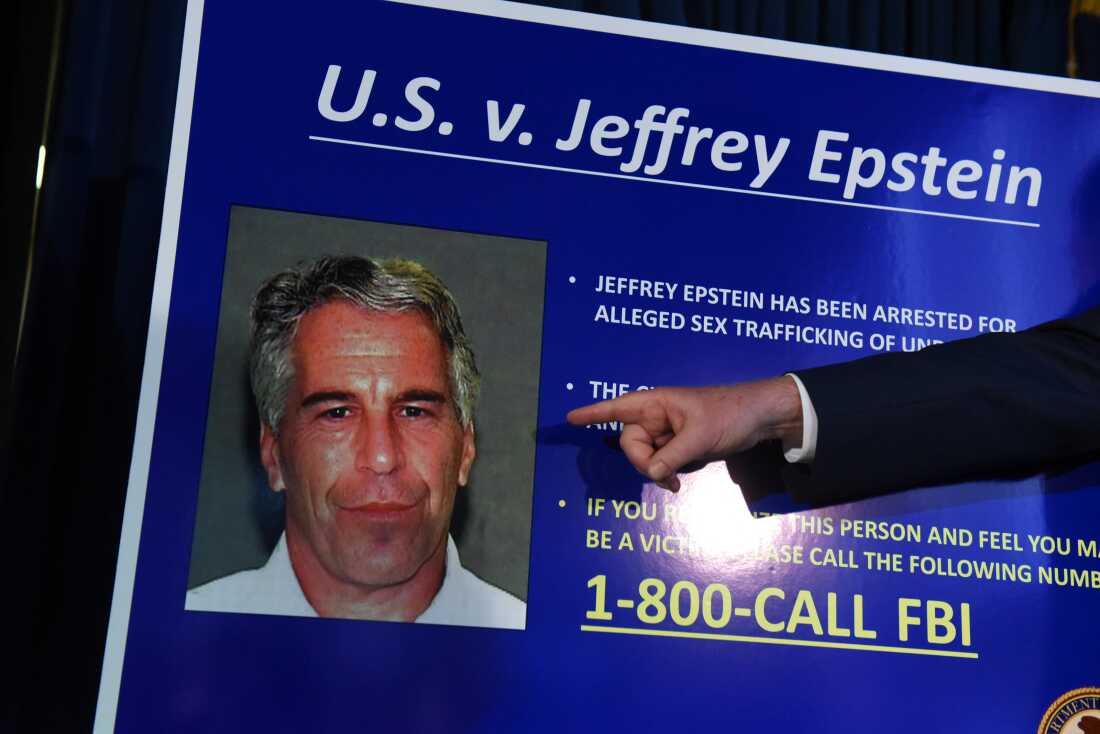
While public attention often focuses on stranger danger and sensationalized narratives, the most difficult—and frequently the most harmful—perpetrators are those who operate with structural power: the wealthy, well-connected, legally insulated, or politically influential. From the Epstein network to predatory diplomats, executives, financiers, and high-profile community leaders, some offenders leverage their status, resources, and social capital to evade scrutiny.
Our work acknowledges this uncomfortable truth: trafficking and exploitation are often enabled by systems that protect abusers, not survivors.
Why It Matters
High-power perpetrators present unique challenges that traditional anti-trafficking systems struggle to confront:
Access to elite legal defense makes reporting and investigation exceptionally difficult, especially when survivors fear retaliation or reputational annihilation.
Influence over institutions—from philanthropy to academia, politics, entertainment, or nonprofits—creates an environment where victims are disbelieved, dismissed, or intimidated.
Reputational insulation allows abusers to hide behind their public personas as donors, leaders, or “upstanding” community figures.
Diplomatic immunity and cross-border power structures create additional layers of protection for certain offenders.
Networks of enablers—assistants, recruiters, drivers, fixers—help maintain the ecosystem of abuse without ever being legally categorized as traffickers.
Survivors are often targeted for reasons that make them easy to discredit: youth, homelessness, LGBTQ+ identity, migration status, addiction, or sexual history.
When perpetrators hold more social credibility than survivors, justice becomes nearly impossible.
How We Help
Rethink Trafficking strengthens the field’s ability to confront exploitation by individuals and networks with structural power—not with panic, but with clarity, documentation, and survivor leadership.
Our approach includes:
Educating providers, institutions, and the public about well-documented cases of organized abuse networks that history has minimized, misremembered, or quietly set aside because they challenge comfortable narratives about who causes harm.
Training professionals to recognize patterns of abuse when they appear in elite or well-connected contexts, rather than dismissing them as improbable or “too extreme” to be real.
Centering survivor-led frameworks, ensuring that people who have lived through these forms of exploitation guide the development of prevention, intervention, and accountability models.
Building institutional literacy around power, so organizations can identify grooming, coercion, and cover-up behaviors even when the perpetrator carries prestige, wealth, or influence.
Creating safer, confidential reporting pathways for survivors who fear that traditional systems will not take them seriously, or may even protect the person who harmed them.
Collaborating with researchers, journalists, and legal experts to ensure that public understanding is grounded in evidence, historical record, and survivor testimony—not sensationalism or silence.
Our work recognizes that abuse committed by powerful people is not rare—it is simply the least likely to be acknowledged. By shifting the lens from disbelief to documentation, we help rebuild systems where survivors can finally be heard.
How Communities Can Take Action
Communities can push back against elite impunity by:
Supporting organizations that advocate for survivors of powerful abusers
Rejecting narratives that place reputational protection over truth-telling
Demanding transparency and accountability from institutions that shield high-profile offenders
Uplifting survivor voices, especially when they challenge people or structures with influence
Understanding that exploitation is not limited to marginalized communities—it exists at the highest levels of society
Creating cultural conditions where status does not equal credibility, and where survivors are not silenced by fear of public disbelief
Ultimately, accountability requires more than arrests—it requires removing the armor that wealth, connections, and reputation provide to people who harm others.